Lalia 20 Paper Flowers Templates Review
If you have ever tried making paper flowers from scratch, you know the frustration of uneven petals, lopsided stems, and designs that look nothing like the inspiration photo. Paper flower crafting sits at that sweet intersection of creative satisfaction and tedious precision. It is the kind of hobby that rewards patience but punishes haste. That is precisely where Lalia 20 Paper Flowers Templates enters the picture — not as another generic set of outlines, but as a thoughtfully engineered toolkit designed to bridge the gap between ambition and execution.
What Are Lalia 20 Paper Flowers Templates?
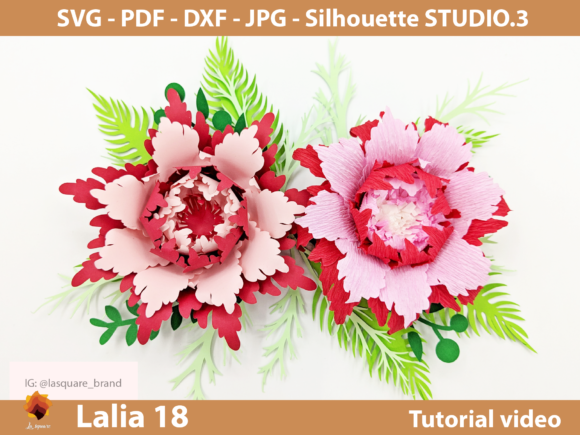
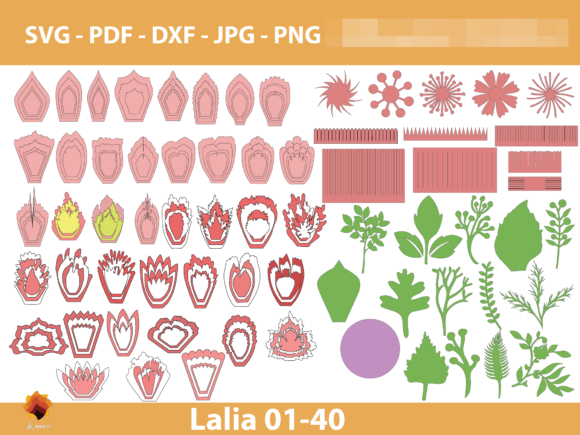
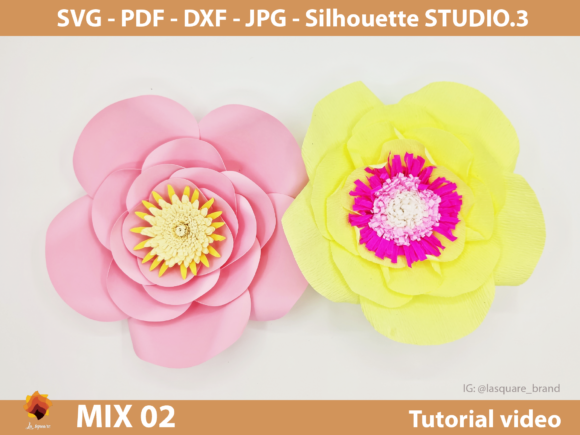
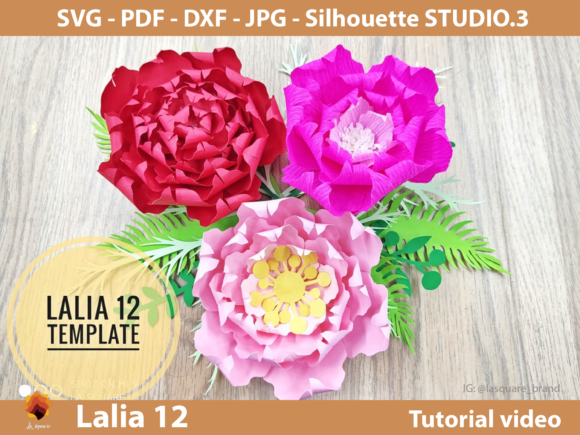
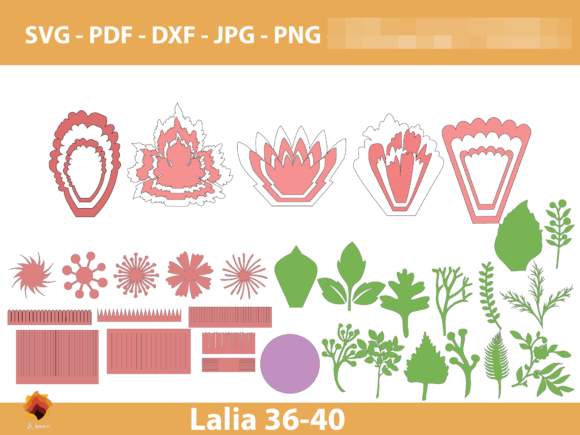
At its core, Lalia 20 Paper Flowers Templates is a collection of twenty distinct flower templates crafted for paper crafting, DIY decor, and digital design projects. Each template provides a scalable, printable pattern that you can trace, cut, or adapt for various mediums. The collection includes everything from classic roses and peonies to more unusual blooms like proteas and ranunculus.
What sets these templates apart from the countless free options scattered across the internet is the level of detail and the structural logic behind each design. Rather than offering simple flat shapes that you assemble by guesswork, each template includes interlocking parts, layered components, and guidance on how the pieces fit together in three dimensions. This is not a coloring book page — it is a blueprint for a physical object that needs to stand, curve, and hold its shape.
Key Characteristics That Matter in Practice
When you examine the templates closely, several qualities stand out as genuinely useful rather than merely decorative.
Scalability Without Distortion
One of the most frequent problems with paper flower templates is that resizing them ruins the proportions. You enlarge a petal shape, and suddenly the stem looks cartoonish or the center becomes too small. Lalia 20 Paper Flowers Templates handles scaling gracefully. The vectors and guidelines maintain their structural integrity at different sizes, which matters if you are making a single centerpiece bloom versus a wall full of smaller flowers for a backdrop.
Layered Realism
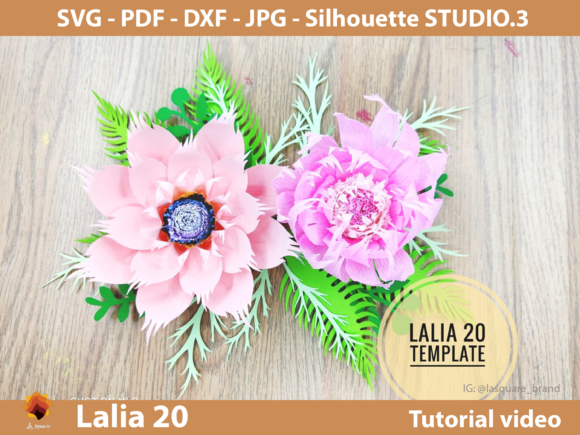
Each flower design uses multiple layers that mimic the way real petals overlap and curve. Instead of one flat piece that you fold awkwardly, you get separate petal tiers, a distinct center structure, and optional leaf and stem components. This layered approach produces flowers that look convincing from every angle, not just straight on.
Clear Cutting and Assembly Marks
The templates include subtle indicators for where to fold, where to glue, and which edges should remain free. This might sound like a small detail, but it eliminates the guesswork that usually eats up the first twenty minutes of any paper flower project. You are not left wondering whether to glue the left edge or the right edge — the template tells you.
Practical Applications Across Different Contexts
The versatility of these templates becomes apparent when you start mapping them to real-world uses. They are not locked into one type of project or audience.
Event Decor and Party Planning
Event planners and party hosts consistently need large quantities of decor that look expensive but fit within a budget. Lalia 20 Paper Flowers Templates allows you to produce professional-looking floral arrangements for weddings, baby showers, birthdays, and corporate events using cardstock and a cutting machine or scissors. You can match color schemes exactly rather than hoping a florist has the right shade. I have seen event stylists use the larger templates to create dramatic statement walls and then scale down the same designs for table centerpieces, achieving visual consistency without buying multiple template sets.
Digital Content Creation and Social Media
Content creators, bloggers, and social media managers often need photogenic props and backdrops that reinforce their brand aesthetic. Paper flowers made from these templates photograph exceptionally well because the layered construction creates depth and shadows that flat decor lacks. Many lifestyle bloggers use them as permanent props that do not wilt or require water, which means they can shoot content on their own schedule without worrying about fresh flowers dying under studio lights.
Classroom and Educational Settings
Teachers and educators working with older students can use the templates for lessons on symmetry, geometry, botany, or even color theory. The more complex templates in the set challenge students to follow sequential instructions and develop fine motor skills. For younger learners, the simpler designs work well for Mother's Day gifts or classroom decoration projects. The educational value here lies in the process — measuring, cutting, layering, and assembling — not just the finished product.
Retail and Product Photography
Small business owners, especially those selling jewelry, cosmetics, or handmade goods, need props that complement their products without competing for attention. Paper flowers made from these templates photograph cleanly because they do not have the organic messiness of real plants — no wilting petals, no uneven stems, no water droplets where you do not want them. One jewelry maker I know uses a single large paper rose as her consistent brand prop across every product photo, and it has become a recognizable visual signature.
Commercial Window Displays and Retail Interiors
Boutiques, cafes, and retail stores looking for durable, reusable decor find these templates practical for seasonal window displays. Unlike fresh flowers that need replacement every week, paper flowers made from quality cardstock can last for months. You can store them flat and reassemble them for different seasons, or use adhesive spray to add glitter or metallic finishes that catch foot traffic.
Usability and Efficiency Observations
From a practical standpoint, several benefits emerge once you start working with these templates regularly.
Time savings become noticeable after the first project. The initial cut and assembly might take an hour or two depending on the complexity of the flower, but subsequent flowers go much faster because the template system is consistent across the set. Once you understand how the rose layers fit together, the peony follows a similar logic with different shapes.
Waste reduction is built into the design. The templates are arranged to maximize paper usage, and the scalable nature means you can fit pieces onto smaller paper sizes when working with expensive materials like handmade or textured cardstock. This matters for anyone who has ever watched expensive paper get thrown away after a cutting mistake.
The templates work across tools. Whether you are cutting by hand with scissors and a craft knife, using a manual die-cutting machine, or running a digital cutting machine, the file formats accommodate your workflow. This flexibility means you are not locked into one method or one brand of equipment.
Considerations Before Diving In
No product is perfect for every situation, and being honest about limitations helps you decide whether this set fits your needs.
Paper choice affects results significantly. These templates are designed for medium to heavy cardstock, typically 65 lb to 110 lb weight. Using standard printer paper will produce flowers that look flimsy and do not hold their shape. If you are new to paper flower crafting, factor in the cost of good cardstock when budgeting for your project.
Some templates require patience. The more complex designs, particularly those with many small layers, demand steady hands and attention to detail. If you are looking for a quick five-minute craft, the simpler templates will serve you well, but the elaborate ones reward careful work over speed.
Assembly instructions rely on visual cues. While the templates include marks and indicators, beginners may need to watch a tutorial or two before the layering logic clicks. The templates assume a basic level of crafting familiarity, so if you have never made a paper flower before, plan to spend some time learning the fundamentals alongside the templates.
Recommendations for Getting the Most Out of the Templates
Based on observing how experienced crafters and professionals use these templates, a few approaches consistently yield better results.
Start with the simpler templates even if you are tempted by the elaborate ones. The smaller, fewer-layer designs teach you the assembly rhythm without overwhelming you. Once you have completed two or three simple flowers, the complex ones become much less intimidating.
Experiment with different paper textures before committing to a large batch. Glossy cardstock behaves differently than matte, and textured paper hides glue marks better but can be harder to fold precisely. Make one flower in each paper type you are considering and compare them side by side.
Consider creating a template master set. Trace each template onto thin cardboard or acetate to create reusable stencils. This protects the original files from wear and tear and makes mass production significantly faster if you plan to make many flowers.
Store finished flowers in a way that preserves the petal shapes. Flat storage in a box with layers of tissue paper works well for most designs, while larger blooms benefit from individual storage with the petals gently nested rather than crushed.
Final Thoughts on the Set
Lalia 20 Paper Flowers Templates occupies a specific and useful niche in the paper crafting ecosystem. It is not for someone looking for a quick, disposable craft project. It is for people who want to produce flowers that look intentional, that photograph well, and that hold up over time. Whether you are decorating a wedding venue, building a consistent visual brand for your business, or simply wanting to make gifts that do not look homemade in the dismissive sense of that word, these templates give you a reliable starting point.
The value is not in the paper or the cutting — it is in having a structural logic already worked out so you can focus on the parts that matter to you: the color choices, the arrangement, the scale, and the finish. That is the difference between a template and a blueprint, and this set leans heavily toward the latter.