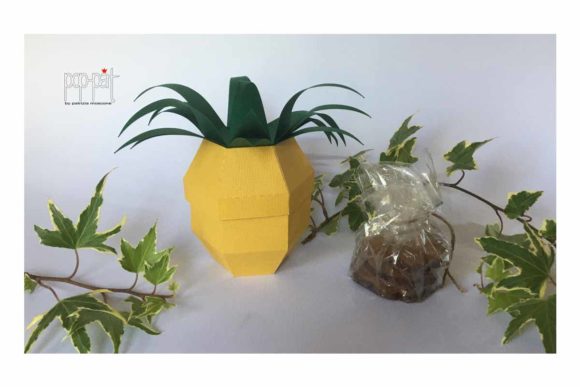
The Multifaceted Pineapple: Exploring Its Complexity and Global Impact
A Botanical Anomaly: The Pineapple's Collective Fruit Structure
The pineapple, known scientifically as Ananas comosus, is far more than a tropical delicacy. Its physical structure represents one of botany's most fascinating oddities. What most people consider a single fruit is actually a composite of dozens of individual fruitlets fused around a central core. This arrangement, called a multiple fruit or sorosis, develops from a cluster of flowers whose ovaries coalesce as they mature. Each hexagonal "eye" on the pineapple's rough exterior corresponds to a single flower from the original inflorescence. The result is a seamless whole that challenges our everyday definition of a fruit. This collective architecture explains why pineapples exhibit such a unique balance of sweetness and acidity—each segment contributes its own micro-environment of sugars and acids, creating a complex flavor mosaic that shifts subtly from the base to the crown.
How Growth Habits Influence Quality
Pineapple plants are terrestrial bromeliads, meaning they capture water and nutrients not just through roots but also through their overlapping leaves. This adaptation allows pineapples to thrive in poor, sandy soils that would stress other crops. The plant's slow growth—typically 18 to 24 months from planting to harvest—concentrates flavor compounds and natural sugars. Growers often manipulate the timing of flowering using ethylene gas to synchronize harvests, a practice that requires precise monitoring. The most prized pineapples are those allowed to ripen fully in the field, as post-harvest sugar accumulation is minimal; once picked, the fruit only softens and loses acidity, never becoming sweeter. This biological reality underscores why locally grown or carefully transported pineapples command a premium in markets far from the tropics.
Culinary Applications: From Savory to Sweet and Beyond
Pineapple's culinary footprint extends across nearly every meal category, yet its utility is often underestimated. The fruit's enzyme bromelain, a protease that breaks down protein, makes it a natural meat tenderizer. Marinades containing fresh pineapple can transform tough cuts of beef, pork, or poultry, but they require careful timing—over-marination can turn meat into mush. This enzymatic activity is also why fresh pineapple prevents gelatin from setting; the bromelain digests the gelatin proteins, destroying the structure. Canned pineapple, conversely, has been heated sufficiently to denature the enzymes, making it safe for jellied desserts.
Global Culinary Traditions
- Thai cuisine employs pineapple in savory stir-fries and curries, such as pad prik king with shrimp and long beans, where the fruit's acidity balances rich coconut milk.
- Hawaiian regional cooking uses grilled pineapple as a counterpoint to smoky meats, often paired with macadamia nut crusts or soy-based glazes.
- Mexican street food vendors sell pineapple spears dusted with chili powder and lime, a snack that highlights the fruit's ability to complement heat.
- Indian chutneys incorporate pineapple with ginger, mint, and tamarind for a sweet-sour condiment that pairs with fried snacks.
- Japanese okonomiyaki sometimes includes small pineapple chunks as a surprise element, their acidity cutting through the savory pancake's richness.
The fruit's versatility also shines in beverages, where its juice provides body and acidity without overwhelming other flavors. Pineapple juice is a staple in tiki cocktails, but it also works in non-alcoholic shrubs, smoothies, and even as a base for fermentation projects like tepache—a traditional Mexican fermented drink made from pineapple peels, brown sugar, and spices. Using the peels reduces waste and extracts pectins and volatile compounds that would otherwise be discarded.
Beyond the Kitchen: Industrial and Commercial Applications of Pineapple
Pineapple cultivation generates substantial agricultural byproducts that have found innovative uses. The leaves contain strong, silky fibers that are extracted and woven into fabric—a tradition known as piña weaving in the Philippines. Piña cloth is lightweight, translucent, and highly breathable, historically used for barong Tagalog formal wear and luxury textiles. Modern fashion houses have revived interest in piña as a sustainable alternative to synthetic fibers, blending it with cotton or silk for contemporary designs.
Bromelain as a Biochemical Resource
The enzyme bromelain, concentrated in the pineapple stem, has been isolated for therapeutic and industrial applications. In the medical field, bromelain is used in burn debridement creams to remove dead tissue without harming healthy cells. Some studies suggest it may reduce inflammation and sinus swelling, though clinical evidence requires further validation. Industrially, bromelain appears in meat tenderizers, chill-proofing agents for beer, and even as a natural cleaner for contact lenses. The enzyme's stability in acidic environments makes it particularly useful for applications where conventional proteases would denature. However, bromelain extraction is labor-intensive; it requires careful pH and temperature control to maintain activity, which limits its supply and raises costs compared to microbial enzymes.
Waste-to-Value Innovations
Pineapple processing generates vast quantities of peel, core, and crown waste—roughly 50% of the fruit's weight. Researchers and entrepreneurs are developing technologies to convert this biomass. Pineapple waste can be fermented into bioethanol, used as a substrate for mushroom cultivation, or processed into animal feed high in fiber and residual sugars. The fruit's tough central core, often discarded by juice manufacturers, contains pectin and cellulose that can be processed into edible films or biodegradable packaging. Some companies are even extracting natural antioxidants and dietary fiber from pineapple peels for use in functional foods and cosmetics. These waste valorization strategies not only reduce landfill burden but also create additional revenue streams for growers and processors.
Cultural Resonance: The Pineapple as a Symbol Across Civilizations
The pineapple has served as an emblem of hospitality, luxury, and welcome for centuries. When European colonists first encountered pineapples in the Caribbean, they were captivated by the fruit's unusual appearance and intense sweetness. Transporting pineapples across the Atlantic was enormously expensive and time-consuming; only the wealthiest could afford them. As a result, pineapples became status symbols in 17th- and 18th-century Europe. Aristocrats would display pineapples at dinner parties until they began to rot, using them as centerpieces to signal their affluence. Some would even rent a pineapple for a single evening's event, returning it to the dealer the next day. This cultural cachet persists in architectural details—pineapple motifs appear on gateposts, bedposts, and welcome signs across the American South and Caribbean, representing friendliness and warmth.
Modern Cultural Roles
Today, the pineapple has been embraced by various online communities as a symbol of positivity, resilience, and nonconformity. In interior design, pineapple prints and decorative objects are associated with tropical aesthetics and relaxed living. The fruit's spiky exterior and sweet interior often serve as a metaphor for protective yet kind personalities. This symbolic flexibility allows the pineapple to transcend its agricultural origins and remain relevant in fashion, branding, and social media movements.
Nutritional Profile and Health Considerations: A Double-Edged Sword
Pineapple offers a rich array of micronutrients, particularly vitamin C, manganese, and copper. A single cup of fresh pineapple chunks provides over 100% of the recommended daily intake for vitamin C, along with a significant dose of thiamine and vitamin B6. Manganese is essential for bone formation and metabolic regulation; pineapple is one of the richest dietary sources of this often-overlooked mineral. The fruit also contains bromelain, which may aid digestion when consumed as part of a meal by breaking down protein in the stomach, though the enzyme's activity is largely neutralized by gastric acid.
Potential Drawbacks and Interactions
- Acid content: Pineapple has a pH of 3.2 to 4.0, making it highly acidic. Individuals with gastroesophageal reflux disease (GERD) or frequent heartburn may experience discomfort, especially when eating the fruit on an empty stomach.
- Enzymatic irritation: The bromelain in fresh pineapple can cause a tingling or burning sensation on the lips and tongue. This effect is temporary and harmless for most people, but those with oral allergies or sensitivities may find it unpleasant.
- Drug interactions: Bromelain can increase the absorption of certain antibiotics, such as amoxicillin and tetracyclines. In theory, high bromelain doses could potentiate anticoagulant medications like warfarin, though evidence from human studies is limited. Anyone taking prescription medications should consult a healthcare provider before significantly increasing pineapple consumption.
- Allergic cross-reactivity: People allergic to latex or other tropical fruits like bananas and avocados may experience cross-reactive reactions to pineapple, including oral itching or hives.
For the general population, moderate consumption of fresh pineapple is beneficial. Canned versions often contain added sugars that reduce their nutritional advantage, so selecting fruit packed in its own juice or water is preferable.
Sustainability and Ethical Challenges in Pineapple Production
Pineapple's global popularity has spurred intensive monoculture farming in tropical regions, particularly Costa Rica, the Philippines, Thailand, and Indonesia. Large-scale plantations often rely on heavy pesticide applications, including bromacil and other herbicides, to suppress weeds and pests. Runoff from these chemicals can contaminate local water sources and affect aquatic ecosystems. Additionally, the industry's labor practices have drawn scrutiny. In some producing regions, workers earn low wages under harsh conditions, with limited access to protective equipment when handling agrochemicals. Reports of unfair labor contracts and restrictions on union organizing have led to certification programs like Fairtrade and Rainforest Alliance seeking to improve standards, though their impact remains uneven.
Environmental Footprint of Transportation
Because pineapples are grown far from most consumer markets, they carry a significant carbon footprint from refrigeration and air or sea freight. Shipping by sea reduces emissions per kilogram compared to air transport, but the fruit's short shelf life creates pressure to expedite logistics. Some supermarkets now source pineapples from closer regions—such as Ghana for European markets or Hawaii for the West Coast of the United States—to shorten supply chains. Consumers can reduce their impact by choosing fresh pineapples over highly processed alternatives, buying whole fruits instead of pre-cut containers, and supporting producers that publish sustainability reports or hold third-party certifications.
Genetic and Agronomic Resilience
Most commercial pineapples belong to a single cultivar, 'Smooth Cayenne', which makes the global crop vulnerable to emerging diseases like pineapple mealybug wilt-associated virus and fungal rots. Researchers are exploring genetic diversity within Ananas species to develop resistant hybrids that require fewer chemical inputs. Some smallholder farmers in South America preserve heirloom varieties that differ dramatically in flavor, size, and spikiness from the supermarket standard. These traditional cultivars may hold keys to adapting pineapple cultivation to changing climate conditions, such as increased drought or shifting rainfall patterns. Supporting seed banks and biodiversity projects therefore has long-term implications for the fruit's availability and sustainability.
Understanding pineapple's journey from a botanical curiosity to a globally traded commodity reveals a fruit that is simultaneously simple and infinitely complex. Its structure challenges our definitions, its enzyme content influences cooking and medicine, its fibers clothe us, and its cultural meanings evolve across time and place. Whether you are a chef exploring new marinades, a researcher developing biodegradable materials, a consumer weighing ethical choices, or simply someone enjoying a slice on a summer afternoon, the pineapple offers layers of significance waiting to be explored. Its story is far from finished, as ongoing innovations in agriculture, processing, and waste utilization continue to reshape how this remarkable fruit fits into our lives.