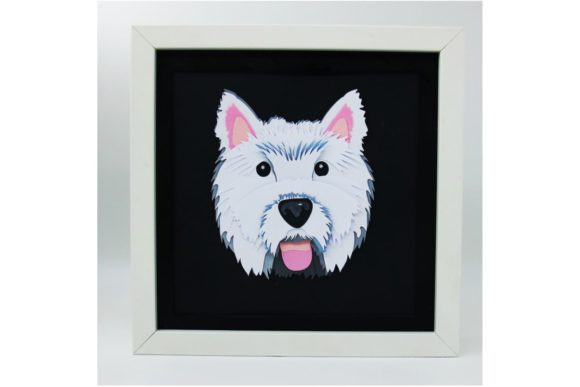
West Highland Terrier: A Complete Guide to the Westie's Personality, Care, and Suitability
If you have ever seen a small, white, confident dog trotting along a city sidewalk or romping through a country field, chances are you were watching a West Highland Terrier. Known affectionately as the Westie, this breed has carved out a special place in the hearts of families, singles, and even seasoned dog enthusiasts. Beneath that fluffy white coat lies a spirited terrier with a history rooted in hunting, a personality that balances independence with affection, and a set of care requirements that prospective owners should know inside out. This article is built around real experience and practical knowledge — not marketing fluff — so you can decide if a West Highland Terrier fits your lifestyle, home, and expectations.
The Origins and Purpose of the West Highland Terrier
Before bringing any breed home, understanding its original job helps you make sense of its behavior. The West Highland Terrier was developed in Scotland during the 19th century, bred to hunt small game such as foxes, badgers, and rodents. This heritage is not just a fun fact — it directly influences the dog’s daily temperament. Farmers and hunters needed a tenacious, brave, and agile dog that could navigate rocky terrain and squeeze into burrows. That same drive and energy lives on in today’s Westie, even if your backyard has no foxes to chase.
The breed is one of several Scottish terriers, and its all-white coat was selectively bred for visibility during hunts. Despite its working roots, the West Highland Terrier quickly transitioned into a companion animal, gaining popularity in both Europe and North America. The breed standard emphasizes a compact, sturdy body, a hard outer coat with a soft undercoat, and an unmistakable expression of keen intelligence. Knowing this background helps prospective owners anticipate the breed’s need for mental stimulation, physical activity, and a firm but gentle leadership.
Built for Persistence, Not Idleness
Because the West Highland Terrier was never meant to lounge all day, its temperament reflects a high prey drive and a stubborn streak. This is not a couch potato breed. Owners often describe the Westie as “big dog in a small package” — a trait that can be charming when properly channeled, but challenging if ignored. For instance, a Westie might dig under a fence or chase a squirrel without hesitation, so secure boundaries and consistent training are non-negotiable.
Key Characteristics and Temperament of the West Highland Terrier
Getting to know a West Highland Terrier means appreciating a blend of contrasts. They are affectionate yet independent, playful yet assertive, and intelligent yet sometimes willful. If you have ever lived with a terrier, you already know that these dogs are not for the faint of heart. But for the right owner, a Westie becomes a loyal, entertaining, and devoted companion.
Personality Traits That Define the Breed
- Confidence: West Highland Terriers are naturally bold. They approach new situations with curiosity, not fear, which makes them excellent watchdogs despite their small size.
- Friendliness: Well-socialized Westies are generally good with children and other dogs, though their terrier instincts may trigger chasing behavior around cats or small pets.
- Independence: This breed can entertain itself for short periods, but prolonged isolation may lead to destructive habits like barking or chewing.
- Affection on Their Terms: A Westie will happily cuddle after a day of activity, but it is not a lapdog that demands constant physical contact. They enjoy being near you without being underfoot.
These traits make the West Highland Terrier an excellent fit for active individuals or families who can provide daily exercise, mental challenges, and structured training. The breed’s intelligence means it picks up commands quickly, but its independence can test your patience if training is inconsistent.
Energy Levels and Exercise Requirements
Contrary to what some assume about small dogs, the West Highland Terrier requires more than a quick walk around the block. At least 30 to 45 minutes of active exercise per day is recommended, split between walks, play sessions, and off-leash time in a secure area. Without sufficient activity, a Westie may develop behavioral issues including excessive barking, digging, or pacing. Many owners find that puzzle toys and hide-and-seek games help burn mental energy, which is just as important as physical exertion.
Because of their terrier drive, many Westies excel in dog sports like agility, barn hunt, or earthdog trials. These activities not only provide exercise but also satisfy the breed’s innate desire to work. If you are the type of owner who enjoys hiking, jogging, or exploring nature, your West Highland Terrier will likely be your enthusiastic sidekick.
Is the West Highland Terrier Right for You? Evaluating Your Living Situation
A common question among prospective owners is whether a Westie can thrive in an apartment or if a house with a yard is mandatory. The answer depends more on your commitment to exercise than on square footage. While a West Highland Terrier can adapt to apartment living, it requires regular opportunities to stretch its legs and explore. A fenced yard is a huge plus, but not a deal-breaker if you are willing to brave the outdoors several times a day.
Family Dynamics: Children, Seniors, and Multi-Pet Households
Westies are generally good with older children who understand how to interact respectfully with dogs. Their sturdy build makes them less fragile than some toy breeds, but they still need supervision around toddlers. For seniors, a West Highland Terrier can be a wonderful active companion — provided the owner can keep up with its exercise needs. In multi-pet homes, early socialization is key. A Westie may view smaller pets as prey, but it can peacefully coexist with other dogs, especially if raised together.
Grooming and Maintenance Considerations
The West Highland Terrier’s white coat requires regular grooming, which is both a maintenance task and a bonding activity. The breed has a double coat that sheds minimally but needs brushing two to three times a week to prevent matting. Professional grooming every four to six weeks is typical, including hand stripping or clipping depending on your preference. The white fur also shows dirt easily, so expect more frequent baths than you might with a darker-coated dog. Additionally, regular ear cleaning and teeth brushing are important to prevent infections and dental issues common in small breeds.
One practical reality: Westies are prone to skin allergies, especially contact or food sensitivities. Many owners find that a high-quality diet and occasional medicated shampoos help manage flare-ups. If you are not prepared for grooming costs and time, this may not be the right breed for you.
Real-World Scenarios: Living with a West Highland Terrier
To help you visualize daily life, consider a few common scenarios shared by experienced Westie owners.
Scenario 1: The City Dweller
Maria lives in a one-bedroom apartment in Chicago and works from home two days a week. Her Westie, named Scout, has adapted well to city walks and visits to a nearby dog park. She invested in a long line for field trips and uses puzzle feeders during her work hours. Scout’s barking alertness is actually an asset — he warns Maria about delivery people — but she had to train him to stop after a few barks. Maria finds that a 20-minute morning walk and a 20-minute evening fetch session keep Scout satisfied. Weekends include longer hikes in forest preserves. The West Highland Terrier, in this case, is a perfect fit for a committed owner who plans ahead.
Scenario 2: The Suburban Family
The Thompsons have a fenced backyard and two children ages 8 and 10. Their Westie, Daisy, loves playing chase and hide-and-seek. The children have been taught to respect Daisy’s need for rest and to avoid disturbing her while eating. Daisy is generally tolerant but will growl if a child pulls her tail — a sign that supervision is still needed. The family enrolled in basic obedience classes, which helped channel Daisy’s independence into focus. For an active family willing to train consistently, the West Highland Terrier brings energy and fun.
Strengths and Considerations: A Balanced View
Every breed has pros and cons, and being honest about them leads to better decisions for both human and dog. The West Highland Terrier’s strengths include its adaptability, longevity (often 12–16 years), and playful personality. It is a breed that seldom shows nervous aggression and is generally healthy when sourced from a responsible breeder. However, potential owners must also face considerations.
Health Considerations in the Breed
Like many purebred dogs, the West Highland Terrier has some inherited conditions to be aware of. Skin allergies are the most common issue, often manifesting as itching, redness, or ear infections. A condition called “Westie lung disease” (pulmonary fibrosis) can occur in older dogs, as can hip dysplasia and patellar luxation. Responsible breeders screen for these problems. Routine veterinary care, a good diet, and maintaining a healthy weight go a long way in mitigating risks. Owners should also be mindful of dental health, as small breeds are prone to periodontal disease.
Lifespan and Commitment
With a lifespan of 12 to 16 years, getting a West Highland Terrier is a long-term commitment. This is not a decision to rush. Over that period, you will invest in grooming, vet visits, training, and daily exercise. The reward is a spirited, loving companion who will likely outlive many other dog breeds. But if your lifestyle is likely to change significantly in the next few years — such as moving abroad or having a baby with severe allergies — it is wise to think carefully before adopting.
Evaluating Suitability for Different Needs and Projects
Whether you are a first-time dog owner, an experienced handler, or a professional looking for a therapy dog candidate, the West Highland Terrier can fit certain roles well if you understand its nature.
First-Time Dog Owners
For a novice who is willing to learn, the Westie can be a manageable breed — but it is not the easiest choice. Its independent streak requires consistent, positive-reinforcement training. First-time owners who commit to a training class and socialization from puppyhood often succeed. The key is to set boundaries early and remain patient. If you are looking for a “low effort” small dog, a West Highland Terrier may not be your best option.
Experienced Handlers and Enthusiasts
For those who have lived with terriers or other strong-willed breeds, the Westie offers a rewarding challenge. Experienced owners can channel the breed’s intelligence into advanced tricks, agility work, or even therapy visits (if the dog is well-socialized and calm). Westies often excel as therapy dogs because of their friendly, confident nature, though they may not tolerate rough handling. They also make excellent candidates for canine sports, where their prey drive and stamina shine.
Professionals Seeking a Workplace Companion
If you run a dog-friendly business or work from home, a West Highland Terrier can be a delightful office companion — provided you take breaks for exercise and mental stimulation. The breed’s alertness can help with security, but excessive barking may disturb clients. With proper training, many Westies adapt to workplace routines and become beloved mascots.
Final Thoughts on the West Highland Terrier
The West Highland Terrier is not a breed you can neglect or treat as a decorative pet. It demands time, consistency, and a willingness to understand its terrier nature. But for those who appreciate a dog with character, energy, and a dash of stubborn charm, the Westie delivers an unmatched companionship. From its origins in the Scottish Highlands to its place in modern homes, this breed has proven its versatility and enduring appeal. Before you bring one home, talk to owners, meet breeders (or rescue groups), and honestly assess your lifestyle. The right match between owner and dog is the foundation of a lasting, joyful relationship.
For further reading, you can explore the breed standard and health research from the American Kennel Club and the West Highland White Terrier Foundation to deepen your understanding before making your decision.