The Flower Pillow Box: A Complete Guide to Getting It Right
If you have come across the term flower pillow box, you are likely exploring creative ways to package flowers, small gifts, or special treats. At first glance, it seems simple enough: a pillow-shaped box that holds blooms or presents. However, many people discover only after purchasing or assembling one that small details can make a big difference. Understanding what a flower pillow box really offers—and where things can go wrong—helps you avoid wasted time, money, and disappointment.
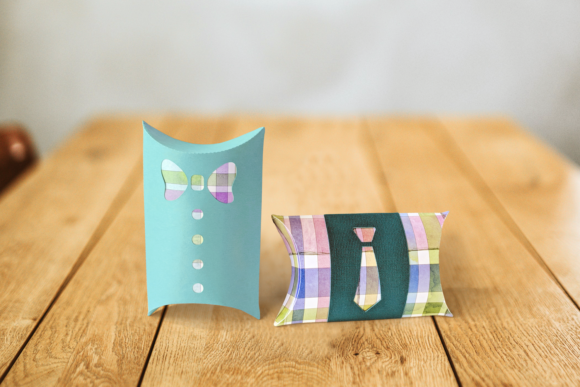
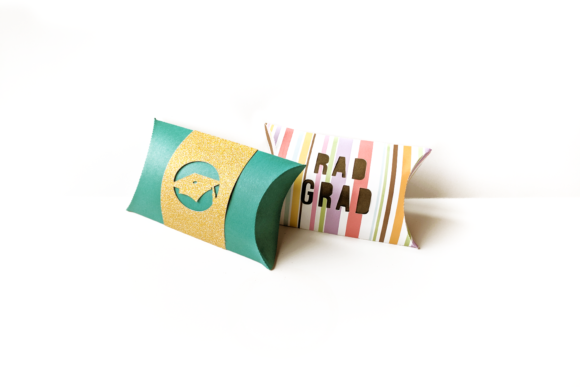
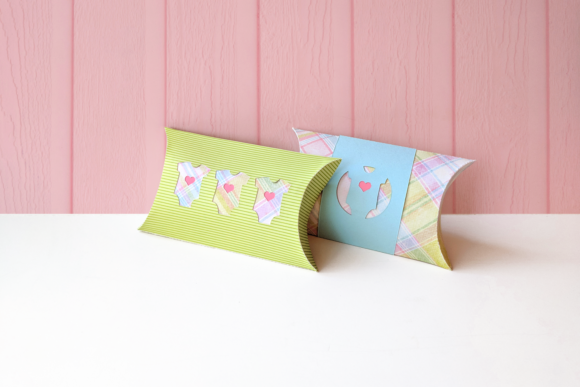
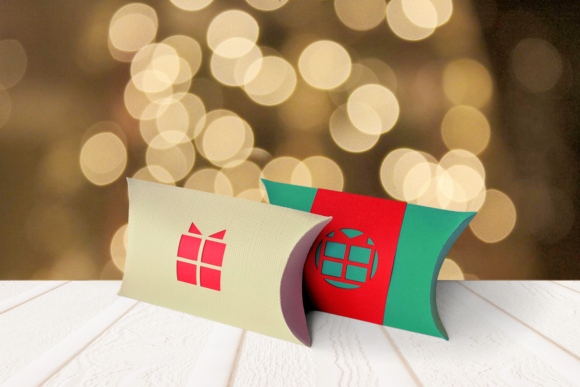
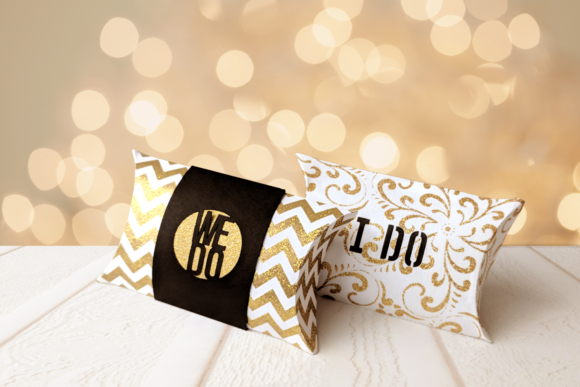
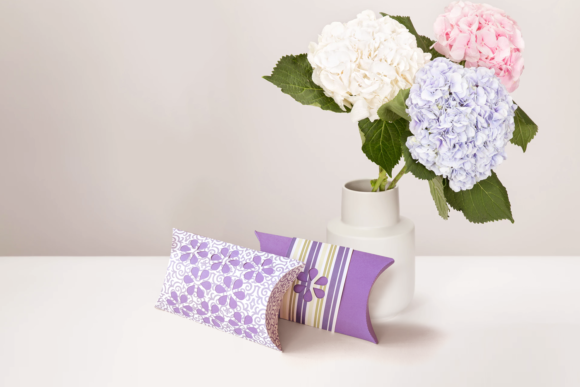
A flower pillow box is essentially a folding box with a curved, cushioned shape that resembles a small pillow. It is commonly used for gift wrapping single stems, small bouquets, chocolates, jewelry, or party favors. The appeal lies in its elegant silhouette and the way it elevates a simple gift into something memorable. But whether you are a hobbyist making favors for a wedding, a small business owner packaging products, or a marketer looking for distinctive branding, getting the details right matters more than you might expect.
Choosing the Wrong Size for Your Contents
One of the most frequent mistakes people make is selecting a flower pillow box that does not match the size of what they plan to place inside. A box that is too small crushes petals or forces items into awkward positions. A box that is too large makes the contents look lost or requires excessive filler material, which can look messy rather than polished.
Before buying, measure your flowers or gift items while they are in their natural state. If you are using fresh flowers, account for stem length and bloom width. A rose with a long stem may need a deeper box, while a cluster of dried flowers might fit better in a wider style. Some manufacturers provide internal dimensions, but many list only the outer size. Always subtract the thickness of the material to understand the usable space inside.
A better approach: Keep a small notebook or digital file with measurements of common items you package. When you find a flower pillow box that works well, note the dimensions and the supplier. Over time, you build a reliable reference that saves guesswork.
Overlooking Material Quality and Durability
Not all flower pillow boxes are created equal. Some are made from thin, flimsy cardstock that tears easily during assembly or loses shape after a few hours. Others use heavier paperboard that holds its form and protects contents. The difference becomes obvious when you try to close the box or when it sits on a display table.
People often assume that thicker material is always better, but that is not the whole story. Thick paperboard can be difficult to fold cleanly without a scoring tool. If you are assembling many boxes by hand, a medium-weight material with good perforation and crease lines may be more practical. Also consider the finish: matte coatings look sophisticated but can show fingerprints, while glossy finishes resist smudges but may feel less premium.
What to check before buying: Request a sample if possible. Fold it, close it, and see how it holds up after being opened and closed a few times. If you are shipping items, test the box with your typical contents to see if it withstands handling. A flower pillow box that looks beautiful on a shelf but collapses during delivery defeats its purpose.
Assembly Techniques That Undermine Presentation
Even a high-quality flower pillow box can look disappointing if assembled incorrectly. Common problems include uneven folds, gaps at the seams, and tabs that do not lock securely. These issues happen when people rush the folding process or skip the scoring step.
Many flower pillow boxes come pre-scored, but the creases may not be deep enough for crisp folds. Running a bone folder or the edge of a ruler along the fold lines before bending can make a noticeable difference. If you are working with a thicker material, lightly scoring both sides helps achieve a clean 90-degree angle.
An example to learn from: A friend who runs a small bakery once assembled fifty flower pillow boxes for Valentine’s Day cookies. She skipped scoring because she was in a hurry, and the boxes ended up with rounded corners that would not stand upright. She had to redo them, losing time and extra material. Now she scores every box before folding, and the results are consistently professional.
Practical tip: Assemble one box completely before doing a batch. This lets you spot any tricky steps, such as a tab that needs extra adhesive or a flap that requires a specific sequence. Adjust your method before repeating the process on multiple boxes.
Misjudging the Occasion and Design Mismatch
A flower pillow box is not a one-size-fits-all solution. The design, color, and finish should align with the occasion and the recipient. A bright neon box may work for a birthday, but it might feel out of place at a funeral or a formal anniversary. Similarly, a box covered in floral patterns might clash with the actual flowers inside.
Entrepreneurs and marketers sometimes order a generic flower pillow box in bulk without considering how the design reflects their brand. A rustic kraft paper box with twine suits a botanical shop or eco-friendly brand, while a sleek white box with foil stamping fits a luxury cosmetics line. Using the wrong style can confuse customers and weaken your brand message.
How to avoid this: List the key attributes of your event or brand before selecting a flower pillow box. Consider color, texture, shape, and any printed elements. Neutral colors like white, cream, and soft pastels work for a wide range of occasions, while bold colors and patterns should be chosen intentionally. If you are buying for a business, order small quantities of different designs and test them with your target audience before committing to a large run.
Forgetting Practical Considerations: Transport, Cost, and Storage
It is easy to focus on how a flower pillow box looks and forget how it behaves in real-world use. People often overlook how the boxes will be transported, what they cost per unit, and how much storage space they require.
If you are delivering flowers in a flower pillow box, consider whether the box needs a sleeve, a ribbon, or a cello wrap to keep everything secure during travel. Boxes that lack a locking mechanism may pop open if jostled. You might need to add a small dot of adhesive or a ribbon tie to keep them closed.
Cost considerations: Bulk pricing for flower pillow boxes can vary widely depending on material, customization, and supplier. A box that costs $0.50 each in quantities of 100 might drop to $0.30 each at 500, but the savings may not justify a larger inventory if you rarely use that many. Also factor in shipping weight and dimensions, as oversized boxes can increase freight costs significantly.
Storage reality: Pillow boxes are often shipped flat, which is convenient, but they still require organized storage. Keep them in a dry, cool area away from direct sunlight to prevent warping or fading. If you have different sizes or designs, label the stacks clearly so you do not confuse inventory.
Common Misunderstandings About Customization
Many people assume that ordering custom-printed flower pillow boxes is expensive or requires large minimum quantities. While some suppliers do have high minimums, others offer digital printing with lower barriers. The key is understanding what is realistic for your volume and budget.
Another misunderstanding is that customization only means adding a logo or text. You can also customize the size, shape (within reason), paper stock, coating, and even the type of closure. For example, some flower pillow boxes come with a slot for a ribbon, while others rely on a tab-and-slit system. Choosing the right closure type affects both the look and the ease of assembly.
A better way forward: Research at least three suppliers and ask for quotes on both stock and custom options. Describe your ideal box in detail, including dimensions, material, and any special features. A good supplier will tell you what is feasible and what might drive up costs unnecessarily. If custom printing is out of reach, consider adding a custom sticker, stamp, or ribbon to a stock box—this can achieve a distinctive look without a large upfront investment.
What to Check Before Making a Decision
Before you commit to a flower pillow box for your project or business, take a step back and evaluate a few fundamentals. Start by clarifying your primary use: is this for a one-time event, ongoing product packaging, or promotional giveaways? The answer will guide your choices on quantity, material, and budget.
Next, consider the user experience. How will the recipient open the box? Is it easy to open without tearing? Does the box present the contents well as soon as it is opened? A flower pillow box that is difficult to open or that damages the items upon opening will leave a negative impression no matter how nice it looks from the outside.
Also think about sustainability. Many consumers today value eco-friendly packaging. If that aligns with your audience, look for flower pillow boxes made from recycled paper or certified sustainable sources. Biodegradable coatings and natural dyes add to the appeal. Communicate these choices to your customers through a simple note on the packaging or your website.
Finally, test your workflow. If you plan to assemble dozens or hundreds of flower pillow boxes, time each step from folding to filling to closing. Multiply that by your expected volume to see whether the process is feasible. If it takes too long, look for designs with simpler assembly or consider pre-assembled boxes, even if they cost slightly more per unit.
Practical Advice for Getting the Most Out of Your Flower Pillow Box
Here are a few actionable tips drawn from real experience:
- Always order a sample. Even if the photos look perfect, a sample reveals the true color, texture, and structural integrity. Compare multiple samples side by side.
- Use inserts wisely. A small piece of tissue paper, crinkle cut paper, or a cardboard insert can keep contents from shifting and add a layer of visual appeal. Avoid overfilling, which can distort the box shape.
- Match adhesive to material. Some papers require strong glue, while others may bleed through. Double-sided tape is often the cleanest option for flower pillow boxes, but test it on your material first.
- Consider the unboxing moment. A ribbon that is too tight can crush the box, while one that is too loose looks sloppy. Find the balance by testing with your actual contents.
- Keep records. Note which suppliers, sizes, and designs worked best for each project. This small habit saves hours of research the next time you need a flower pillow box.
Whether you are preparing favors for a garden party, packaging products for an online shop, or creating a memorable gift for a loved one, the right flower pillow box can elevate the experience. By avoiding the common mistakes around size, material, assembly, design, and practicality, you ensure that your effort translates into something truly polished. Take the time to evaluate your specific needs, test your choices, and refine your approach. The result will be a package that looks intentional, thoughtful, and beautifully made.