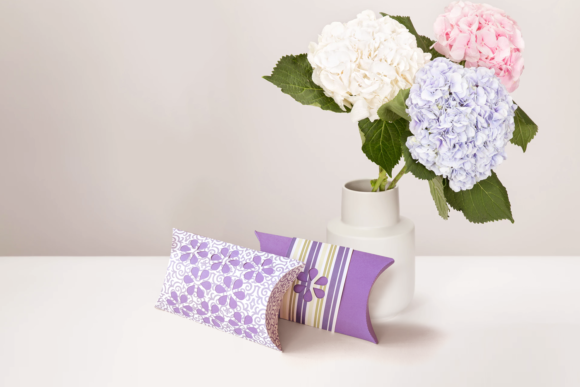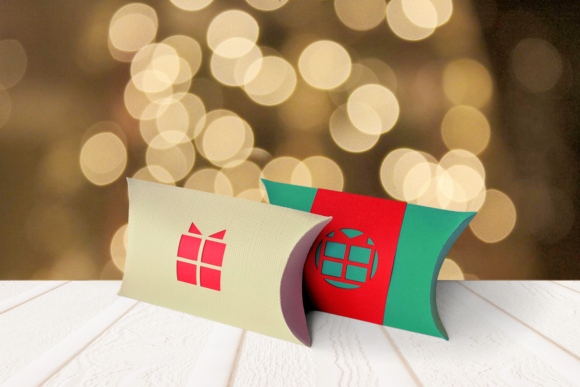
The Gift Box Pillow Box: A Versatile Packaging Solution for Thoughtful Gifting
You've probably seen those charming little boxes shaped like a pillow, maybe tucked inside a gift bag or sitting on a display table at a friend's wedding. They're called gift box pillow boxes, and they've quietly become a go-to packaging choice for anyone who wants to present something special without the bulk of a traditional box or the flimsiness of a bag. Whether you're planning a bridal shower, launching a small product line, or simply trying to make your holiday cookies look extra inviting, these pillow-shaped containers offer a balance between practicality and visual appeal that's hard to beat. Let's explore where they shine and what you should keep in mind before you commit to them.
Gift Giving That Feels Personal, Not Overdone
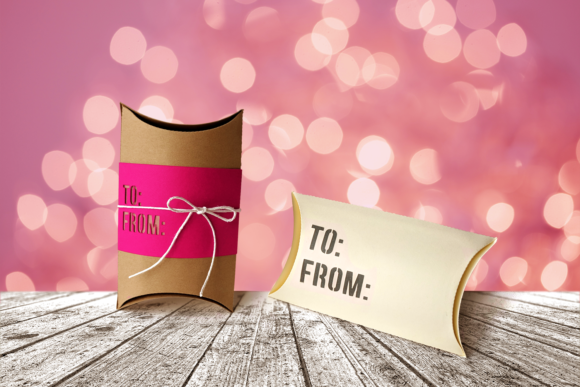
Think about the last time you received a gift that came in a box that was too big for the item inside. It felt wasteful, right? Pillow boxes solve that problem elegantly. They're sized to match the item snugly, whether that's a pair of earrings, a small candle, or a stack of homemade fudge. The curved shape and tucked ends give the impression of care and thoughtfulness—like the giver took an extra step to wrap something nicely, even if they just slid it in and closed the tabs.
For housewarming parties or hostess gifts, a pillow box filled with gourmet tea bags and a small honey pot feels more deliberate than handing over a shopping bag. And because the box itself is sturdy enough to stand on its own, you can set it on the table without worrying about it tipping over. That little detail matters when you're juggling a bottle of wine and a coat in one hand.
Weddings, Bridal Showers, and Baby Showers
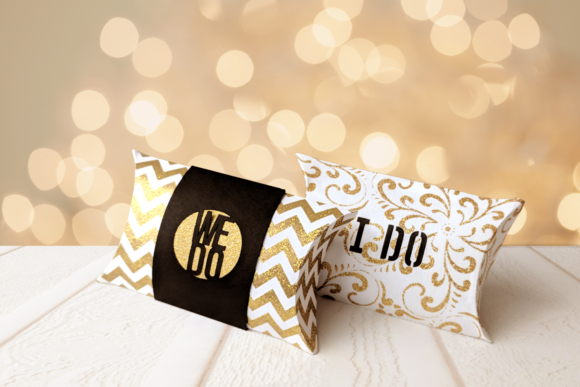
Event planners and brides- and grooms-to-be have adopted pillow boxes as a favorite for party favors. Picture a table at a wedding reception with rows of these boxes in the couple's colors, each holding a personalized thank-you note and a small token like a mini bottle of bubbles or a chocolate truffle. They're easy to assemble in bulk—the flat cardboard pops into shape in seconds once you know the trick—and they stack neatly for transport.
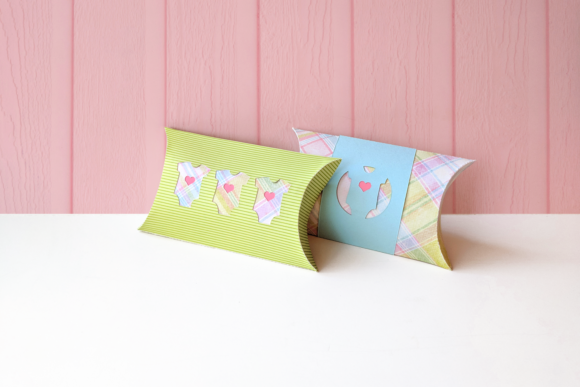
For a baby shower, you might fill them with customized candy bars or tiny onesies, with a tag attached that says something like "A little sweetness for you." The pillow shape itself feels soft and comforting, which aligns nicely with the theme. And because they come in a range of sizes, you can use a larger one for a plush toy or a smaller one for a scented soap. The only limitation here is that very small items can get lost inside a large pillow box, so match the scale to your contents or add tissue paper to fill the space.
Small Businesses and Product Packaging
If you run a small business selling handmade soap, jewelry, or artisanal snacks, you've probably struggled with packaging that looks professional without eating up your profit margin. Pillow boxes offer a neat solution. They can be ordered in custom printed designs with your logo, or you can buy them plain and add a sticker or a ribbon. Because they close with a simple tuck, you don't need tape or glue, which saves time when you're packing orders.
Imagine a customer unboxing your product: they lift the lid section (or open the ends) and find your item nestled inside. The experience feels considered, which encourages repeat purchases and social media posts. Many buyers will reuse the box to give a gift themselves, so your brand gets a second life. However, it's worth noting that pillow boxes aren't ideal for fragile or heavy items—the cardboard creases can weaken under too much weight, and a dropped pillow box with a glass jar inside might not protect it well. For delicate products, consider adding bubble wrap or choosing a double-wall version.
Subscription Boxes and Monthly Surprises
Subscription services often rely on consistent, compact packaging that fits inside a mailer. Pillow boxes work well as internal containers for a monthly "surprise" item. For example, a beauty subscription might send a small face mask inside a pillow box, with a printed message inside the lid. The box breaks the monotony of a plain bubble envelope and gives subscribers something physical to open before they get to the product.
Hobby-based subscriptions, like those for craft supplies or exotic snacks, can also benefit. Because the boxes come in sizes as small as 2×4 inches, you can tuck a sample or a freebie inside without adding noticeable weight. The visual impact is high for the cost. Just be aware that if your subscription includes multiple items, pillow boxes might take up precious space that could be used for more products. They're best used as a highlight, not the main packaging.
Creative DIY and Home Uses
Pillow boxes aren't just for commercial purposes; they're a favorite among crafters and anyone who enjoys making gifts by hand. You can decorate them with washi tape, stamps, or hand-lettered labels. Use them to store small keepsakes like concert wristbands or ticket stubs. Parents often use them to organize small toys or to create a "secret" stash for holiday countdowns—fill one with a candy each night for Advent.
Teachers appreciate pillow boxes for classroom gifts at the end of the year. A box filled with a thank-you card and a small plant or stationery feels more personal than a generic gift card. And because you can write directly on the box, it eliminates the need for a separate tag. This is where the box's simplicity really shines: it does double duty as container and wrapping.
Considerations Before You Buy or Use Pillow Boxes
Before you order a hundred pillow boxes for your next event or product launch, take a moment to think about a few practical details. First, consider the material thickness. Standard pillow boxes are made from lightweight cardstock, which works fine for most dry goods. But if you plan to include something heavier like a metal keychain, look for a box with a minimum weight of 80 lb cover or higher. Some vendors offer kraft-style boxes that are more rigid and eco-friendly.
Assembly time varies. Some boxes come pre-glued and require you to just push out the creases and tuck the ends. Others might require you to fold and lock tabs. It's a good idea to time yourself assembling one box, then multiply by the quantity you need. For a wedding with 100 guests, you might spend an hour or two on assembly if you're also adding filler and tying ribbons. That's still faster than wrapping individual items in tissue and tape, but it's not instant.
Customization is a double-edged sword. Custom printing with your logo or message looks fantastic and can be cost-effective in bulk, but it adds lead time. If you're in a rush, plain white or kraft pillow boxes are widely available and can be dressed up with a sticker or a piece of twine. Also, measure your items carefully. The "pillow" shape narrows at the ends, so a long item might stick out or force the box to bulge. Most sellers provide internal dimensions, so check those against your product.
Environmentally, pillow boxes are generally considered low-impact since they're made from paper and can be recycled or composted after use (as long as they don't have a plastic coating). However, if you add a ribbon that isn't biodegradable, the whole package isn't fully recyclable. Some users choose to skip the ribbon and instead use a small sticker to close the end, which keeps everything paper-based.
Strengths Worth Highlighting
What makes the gift box pillow box stand out is its geometry. The curved sides catch light and create gentle shadows, making the package feel more dimensional than a flat box. It's also space-efficient—you can pack many empty pillow boxes flat and assemble them when needed, saving storage room. The tuck closure is secure enough for most items but easy for the recipient to open without tearing. And because both ends open, you can use one end to insert a note or a sprig of dried lavender for an extra sensory touch.
The box also photographs well. If you're an influencer or a small business owner posting unboxing videos on social media, the pillow shape looks distinct on camera. Customers often mention how "cute" the packaging was in reviews, which is free marketing. In fact, one boutique jewelry owner we spoke to said she saw a 12% increase in repeat orders after switching from organza bags to printed pillow boxes, because people loved the presentation enough to send photos to friends.
Limitations to Keep in Mind
There are a few areas where pillow boxes might not be the best choice. They don't accommodate irregularly shaped items well—anything that is thick in the middle but too wide at the ends can distort the box or cause it to tear. For example, a square bar of soap can fit, but a round soap that is taller than the box's depth won't close properly. Also, because the box relies on the cardboard's tension to stay closed, items that are very lightweight might shift and cause the box to open during transit. A small piece of double-sided tape on the inner flap can solve that, but it's an extra step.
If you need to ship items through the mail, pillow boxes alone are not shipping packages—they should go inside a padded envelope or a sturdy box. The cardboard is not water-resistant, so moisture during delivery could ruin both the packaging and the contents. For indoor gifting or hand-delivery, this isn't an issue. But if you're mailing to a rainy climate, consider a cellophane sleeve or a poly mailer over the pillow box.
Finally, the cost per unit can be higher than plain cardboard boxes or bags, especially for small quantities. But the perceived value often justifies the expense. A $1 pillow box can make a $5 item feel like a $15 gift. That's the real magic—it elevates the everyday into something worth remembering. Whether you're a busy parent, a small business owner, or a creative soul who loves giving, the gift box pillow box is a tool that rewards the extra bit of care you put into it.