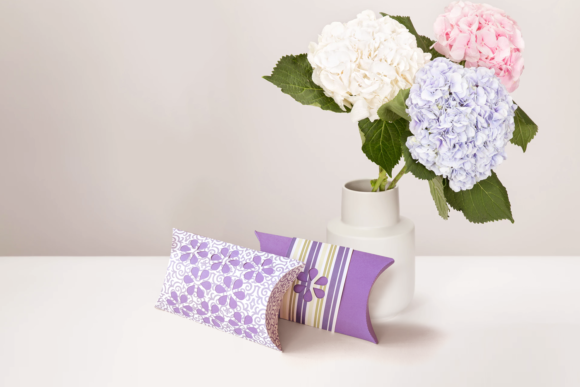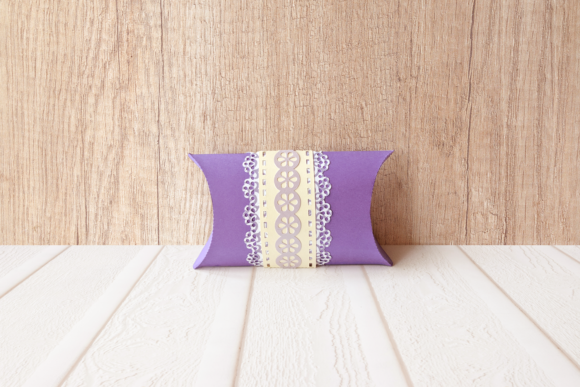
Lace Band Pillow Box
If you have ever tried to present a small gift, a favor, or a product sample in a way that feels thoughtful and polished, you have likely come across the lace band pillow box. This packaging combines a classic pillow-shaped box with a decorative lace band, giving it a delicate, vintage-inspired look that works well for weddings, boutique items, or handmade goods. Many people are drawn to these boxes because they add value and personality to what is inside, but using them effectively is not as straightforward as it may seem. Small mistakes in selection, assembly, or use can turn an elegant presentation into something that feels off. Understanding what to look for and what to avoid will help you get the most out of your lace band pillow box.
Understanding the Lace Band Pillow Box
A lace band pillow box is typically a cardboard or paperboard container shaped like a pillow, with two curved ends and a flat center. The lace band is an elastic or non-elastic strip, often with a scalloped or floral pattern, that wraps around the box. Some boxes come with the lace pre-attached, while others require you to slide it on yourself. These boxes are popular for packaging jewelry, candies, bath salts, small accessories, and party favors. The combination of the soft box shape and the textured lace creates an impression of care and detail that plain boxes cannot match.
People often choose lace band pillow boxes because they want a packaged item to feel special without resorting to bulky wrapping. The boxes are relatively inexpensive, easy to store flat, and quick to assemble. But the ease of use can also lead to rushed decisions that undermine the final result.
Overlooking Size and Proportions
One of the first mistakes is picking a box size without first measuring the item you intend to place inside. A lace band pillow box may look spacious in the product image, but when you slide a thick bracelet or a chunky candle inside, the box may bulge or the ends may not close properly. Conversely, a box that is too large for a tiny ring will leave the item rattling around, and the lace band may not sit snugly. Before buying, measure your product’s length, width, and height. Then compare those dimensions to the interior dimensions of the box, not just the overall length. Also consider the thickness of the lace band itself – some bands are thick and take up space, which can affect how the box closes.
Choosing the Wrong Lace Material
Lace bands come in many varieties: stretchy elastic lace, stiff nylon lace, cotton lace with a woven finish, or even synthetic lace that looks cheap under light. The mistake is assuming all lace bands are equal. A stiff lace band may not conform to the curved ends of the pillow box, causing it to bunch or slip off. A stretchy band that is too tight can warp the box shape, making it look dented. For most applications, a medium-stretch elastic lace with a soft finish works best because it holds the box securely without distorting it. If you are using the box for an upscale product, consider a lace with a cotton or linen blend – it gives a more natural texture that photographs well.
Ignoring the Box Material
Lace band pillow boxes are often made from lightweight cardstock or kraft paper. While these are fine for lightweight dry goods, they can buckle under moisture or heavier items. A common oversight is using a thin paperboard box for a soap or lotion that may have residual oils. Over time, the oil can seep into the paper and stain the lace. For edible items like chocolates, the box must be food-safe and lined. Always check the box’s thickness and coating before committing. If you need durability, look for boxes made from 300 gsm or higher cardstock with a glossy or matte finish. The lace band itself should be washable if the box is reusable.
Forcing the Lace Band Incorrectly
Many lace band pillow boxes come flat, and you fold them into shape. The lace band is then slid over one end and positioned in the center. A frequent error is trying to force the band over the box before it is fully assembled, or sliding it from the wrong side. This can tear the lace or crease the box. A better method: assemble the box completely, then gently work the lace band over one of the curved ends. If the band is tight, use a blunt tool like a chopstick to stretch the band slightly as you push it over the curve. Do not pull forcefully – lace fibers can snap.
Misaligning the Band
The band should sit evenly across the middle of the box, parallel to the sides. A tilted band makes the package look careless. Before securing the box closure (if it tucks in), adjust the band so that it is centered. If the band tends to roll, you can affix it with a tiny dot of fabric glue on the inside of the band where it touches the box – but only if you do not plan to reuse the box. For reusable boxes, consider a band that is wide enough to stay in place without adhesive.
Overstuffing the Box
There is a temptation to fill the box to the brim to make the gift feel generous. But a pillow box has a specific internal shape – the curved ends mean that items placed near the ends are compressed when the box is closed. Overstuffed boxes will bulge, and the lace band may either slip off or leave a deep indentation. A better approach: fill the box about 70–80% of its internal depth, and use tissue paper or shredded filler to take up empty space. This also prevents the contents from shifting during transport.
Color Coordination Between Box and Lace
Most lace bands are white, cream, or off-white, but pillow boxes come in a wide range of colors. A common mismatch is pairing a bright white lace with a cream-colored box – the contrast looks accidental. If the box is kraft brown, a cream cotton lace complements it nicely. If the box is pastel pink, a white stretch lace is safe. For metallic or black boxes, consider a dark lace or a neutral tone. Do not assume that white lace works with every color; sometimes a colored lace band (like blush or ivory) can elevate the design.
Neglecting the Closure Method
Many lace band pillow boxes rely on a notch-and-tuck closure at the ends, or sometimes a small adhesive tab. The mistake is not testing the closure before adding the lace. If the closure is weak, the box may pop open and the lace band may slide off. Reinforce the closure with a peel-and-seal sticker or a small piece of double-sided tape placed discreetly inside the box. The lace band itself can also help hold the box shut if it is tight enough, but do not rely on it solely if the box is being mailed.
Buying Without a Sample
Perhaps the most common oversight is ordering a large quantity of lace band pillow boxes without first seeing and handling a physical sample. Colors, lace texture, and box stiffness can vary from photos. A box that looks beautifully textured online might be flimsy in person. Always order a single box or a sample pack first. Test it with your product, with your lace band (if you are supplying your own), and check how it holds up over a few days. This small step can save you from a costly mistake that affects your brand image or customer satisfaction.
Match the Box to the Occasion
Think about who is receiving the package. For a wedding favor, a white lace band on a soft cream box with a satin ribbon closure feels classic. For a small business shipping handmade soaps, a kraft box with a natural cotton lace band communicates eco-friendliness. For a retail display, a glossy box with a bright white stretch lace stands out. Do not use the same lace band pillow box style for every situation – adapt the color, lace texture, and box finish to match your product and audience.
Use the Lace Band as a Design Feature, Not an Afterthought
The lace band should enhance the box, not just cover it. If the band is too narrow, it looks like an afterthought; if it is too wide, it hides the box shape. Typically, a band that covers about one-third of the box height is balanced. You can also layer two bands of different lace for a richer look. Experiment with positioning – sometimes sliding the band slightly off-center creates a modern asymmetrical style. Always check that the lace edges do not fray visibly. Trim any loose threads with sharp scissors.
Consider Reusability
Many recipients reuse decorative boxes for storage or gifting. A lace band pillow box with a sturdy construction and a washable lace band can serve a second life. If you want to encourage reuse, avoid gluing the band down. Instead, choose a band that can be removed and reattached. You can even include a small note on a tag suggesting the box be reused for jewelry or trinkets. This adds perceived value and aligns with sustainable practices.
What to Check Before You Buy or Use
- Dimensions: Measure your product and compare to the box's interior. Allow for some padding material.
- Lace band type: Determine whether the lace is stretchy, stiff, or woven. Test it on the box shape if possible.
- Box quality: Look at the thickness (gsm), whether it is coated, and how easily it folds without cracking.
- Closure security: Check if the box stays shut on its own or needs reinforcement.
- Color match: Hold the lace against the box in natural light to see if tones harmonize.
- Quantity needed: Order extras for practice assembly and potential replacements.
- Supplier reviews: Look for feedback specifically about lace band pillow boxes, not just general packaging.
By paying attention to these details, you avoid the frustration of a box that does not close, a lace band that looks out of place, or a package that arrives damaged. The lace band pillow box can be a beautiful and effective packaging solution when chosen and assembled with care. Whether you are a bride preparing favors, a small business owner shipping orders, or a hobbyist packaging homemade gifts, the right approach ensures your presentation matches the thoughtfulness of the item inside.